What to Expect
A trauma-informed, integrative approach to therapy.
Starting therapy can feel like a big step, especially if you’re not sure what it will involve. Here’s how I approach the work, the methods I draw on, and how getting started works.
Every part of this process is collaborative and moves at a pace that feels manageable for you.
If you have questions along the way, the free 15-minute consultation is a good place to ask them.
Telehealth for NY, FL, MI residents
Welcome. I’m glad you’re here.
Maybe you are…
Carrying more than feels manageable, and it has been this way for a long time. On the surface, life may look functional, but internally there is tension, fatigue, or a sense of always being on alert. It may feel hard to fully relax, trust your body, or feel at ease in relationships. Closeness can feel comforting one moment and overwhelming or draining the next. Over time, this ongoing stress may show up emotionally, relationally, or physically, through exhaustion, anxiety, chronic symptoms, or a sense of feeling disconnected from yourself.
You long for relief, clarity, and a steadier way of being in your life and relationships.

IN OUR TIME TOGETHER
We begin with what feels most pressing.
When emotions feel intense, relationships strained, or life feels overwhelming, the initial focus is on support and stabilization. This may look like slowing things down, making sense of what is happening, and helping you feel steadier so daily life feels more manageable and less reactive.
As that foundation builds, the work naturally deepens. Patterns that once helped you cope but now feel limiting can be explored with care. Over time, emotional reactions often soften, self-doubt eases, and relationships can begin to feel less confusing or exhausting. Many people also notice shifts in how stress shows up in the body.
The goal isn’t to change who you are, but to help you feel more at ease in yourself.
Telehealth for NY, FL, MI residents
THE APPROACHES I DRAW FROM
Different paths, one integrative approach.
Each approach page explains how it works and what it can help with. Most people experience a blend of these over time.
-

EMDR Therapy
Helps your brain reprocess painful memories so they feel less charged, without needing to talk through every detail.
-

Somatic Therapy
Works with sensation, breath, and movement to help your nervous system release what it’s been holding.
-

Internal Family Systems (IFS)
Gets to know the different parts of you, including the protective ones, with curiosity instead of judgment.
-

Cognitive Processing Therapy (CPT)
A structured approach for PTSD that helps you work through the beliefs trauma left behind about yourself and the world.
-

Attachment & Relational Therapy
Explores how early relationships shaped the way you connect, and helps you build relationships that feel safer.
-

Mindfulness-Based CBT
Combines mindfulness with practical tools to help you step out of anxious or depressive thought loops.
-

Energy Psychology
Uses gentle techniques like EFT tapping to calm the stress response and complement deeper trauma work.
-

A Whole-Person Approach
These methods work best together. See how they come together for the concerns people most often bring to therapy.
TRAUMA-INFORMED AT EVERY STEP
Built for stress that runs deep.
Much of my work is with adults and young adults living with the effects of trauma and chronic stress, including the ways they show up in the body and in relationships. Every approach I use is trauma-informed: we prioritize safety, move at your pace, and never push you into more than you can hold.
Healing isn’t something that is done to you. Change happens through your own insight, capacity, and lived experience, supported by a steady and attuned therapeutic relationship. My role is to offer guidance, perspective, and tools while creating the conditions that allow deeper patterns to shift.
The space is judgment-free and grounded in curiosity. All parts of your experience are welcome here, including thoughts or emotions that may have felt unsafe to express elsewhere.
HOW WE’LL WORK TOGETHER
Safety first. Then processing. Then growth.
My work follows Dr. Judith Herman’s three-stage model of trauma recovery, and we return to earlier stages whenever you need to. Within that structure, I draw on the approaches that fit you best.
STAGE 1
Safety & Stability
We build regulation skills, a felt sense of safety in your body, and a clear understanding of what you’re experiencing.
STAGE 2
Processing
When you feel resourced, we work with painful memories and the patterns they created, staying within your window of tolerance.
STAGE 3
Reintegration & Growth
We help the changes take root in how you see yourself, how you relate to others, and how you move through your life.
Not sure which approach is right for you? That’s exactly what the free consultation is for.
Telehealth for NY, FL, MI residents
AN INTEGRATIVE APPROACH
Whole-person care, every step of the way.
One method may guide our work, but it’s never the only one. Your past lives in your mind, body, and relationships. I combine evidence-based and mind-body approaches to help you work through the past and move forward with more support, clarity and confidence.
WHAT A SESSION FEELS LIKE
Every session is shaped around you.
Sessions take place by secure telehealth, from a space where you feel comfortable. Some sessions we talk things through, some we slow down and notice what’s happening in your body, and some we practice skills you can use between sessions. We go at a pace that feels manageable, and you’re always in charge of what we explore.
You set the pace. Nothing is forced.

WHAT CLIENTS HAVE SAID
In their words.
“Before working with Lisa, I felt weighed down by my past trauma and stuck in a lot of sadness and self-doubt. Therapy gave me the space to heal, understand myself, and gain my strength again. Now, I have the tools to manage my emotions, set healthy boundaries, and move forward with hope. I’m truly grateful for this experience.”
— S.R.
“Living with a chronic condition has felt so isolating, but Lisa gave me a safe space to process my anger and sadness, and find a strength I didn’t know I had. She showed me how to cope with the mental and emotional toll of my diagnosis in a way that felt empowering and hopeful. I feel lighter and more at peace in my body.”
— P.B.
“When I felt lost and disconnected, Lisa gave me the tools to find clarity and hope again. Her support has been a lifeline. It was exactly what I needed to understand and manage my loss and depression. I finally feel like I’m moving forward.”
— L.T.
Telehealth for NY, FL, MI residents

MEET YOUR THERAPIST
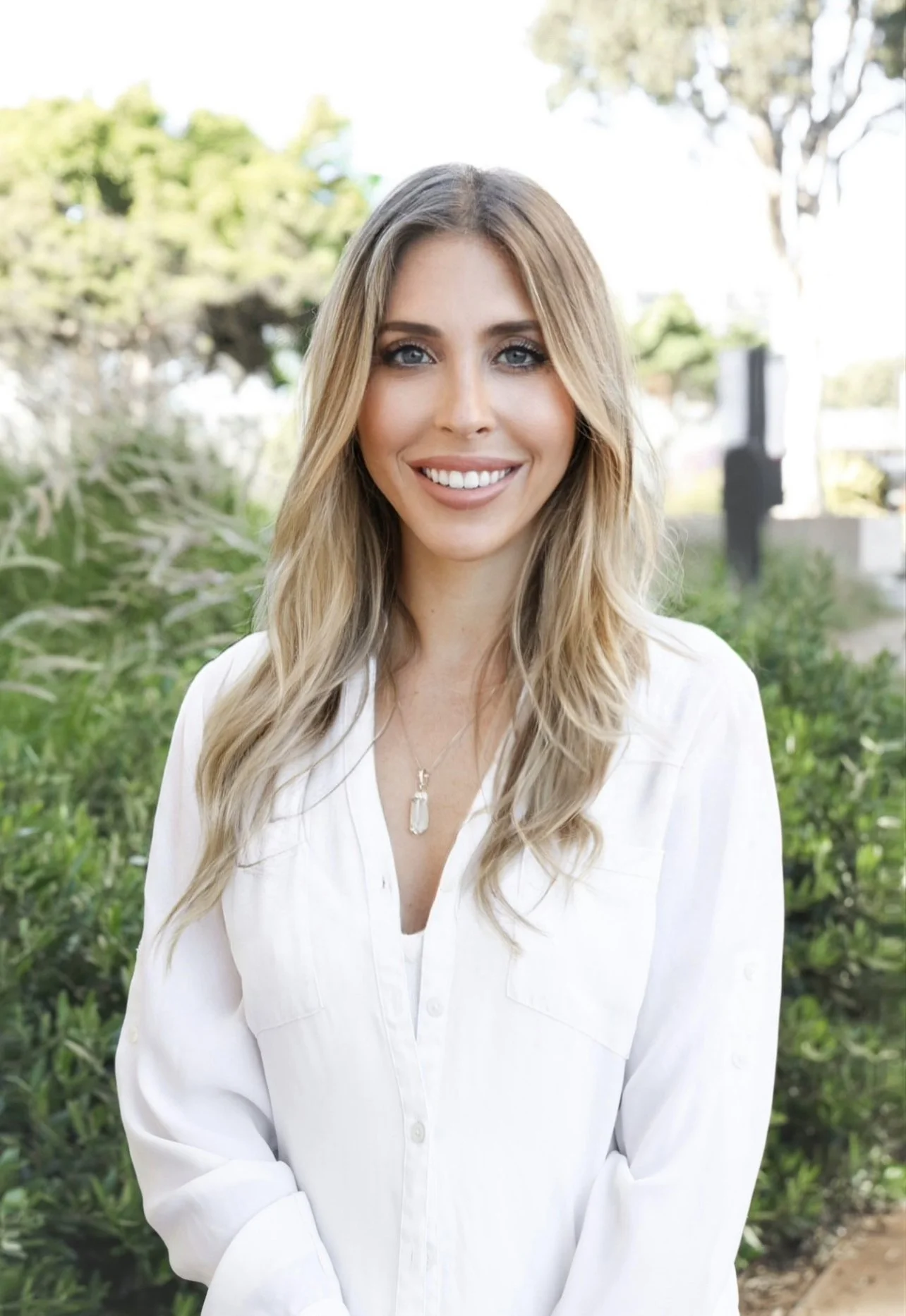
Lisa Kent, LCSW
CCTP-II · EMDR-C
I specialize in complex trauma and the connection between stress, trauma, and the body. My approach is integrative and relational: I draw on EMDR, somatic therapy, IFS, and other evidence-based methods, shaped around what you need and what feels right to you.
QUESTIONS, ANSWERED
Getting started FAQs
-
Schedule a free 15-minute consultation using the button on this page. We’ll talk about what’s bringing you to therapy, I’ll answer your questions, and we’ll decide together whether we’re a good fit. If we are, we’ll schedule your first full session.
-
We start by getting to know you: what’s going on now, what you’ve been through, and what you’d like to be different. Early sessions focus on building safety and stability, so you leave feeling steadier, not more overwhelmed.
-
It depends on what you’re working on, how your nervous system responds, and what feels right to you. Most people experience a blend of approaches over time, and we adjust as we go.
-
All sessions take place by secure telehealth. I’m licensed in New York, Florida, and Michigan, so you’ll need to be located in one of those states during sessions.
-
It varies. Some people come for a focused stretch of work, while others stay longer to work through deeper patterns. We’ll check in regularly about how things are going and what you need.
-
It’s a free, no-pressure 15-minute video call. We’ll talk briefly about what’s bringing you to therapy and what you’re hoping for, I’ll answer your questions about how I work, fees, and out-of-network reimbursement, and together we’ll decide whether we’re a good fit. You don’t need to prepare anything, and there’s no obligation to book.
-
Sessions are $200 per hour of work together. I am in-network with BCBS and BCN plans for Michigan residents. For New York and Florida residents, I partner with Mentaya to help you use your out-of-network benefits. Depending on your plan, up to 80% of your session cost can be reimbursed, and all of your claims are handled for you. You can check your benefits here (opens in a new window), or we can review them together during your free consultation.
HEALING THROUGH RECONNECTION
Take the next step.
Reaching out for support can feel like a big step, and you don’t need to have everything figured out first. Start with a free 15-minute consultation, and we’ll go from there together.
Telehealth for NY, FL, MI residents
Have a question before booking? Submit it here.
SUBSCRIBE FOR FREE INSIGHTS
Read more from Ouro House
Essays on trauma, the nervous system, and whole-person healing.