Mindfulness-Based CBT
You can’t always stop the thoughts. You can change your relationship with them.
Maybe your mind replays conversations, spirals into worst-case scenarios, or pulls you back into the same heavy thoughts again and again.
Mindfulness-based cognitive behavioral therapy combines CBT’s practical tools for working with thoughts and behaviors with mindfulness practices that help you observe your experience without getting swept away by it. It’s closely related to mindfulness-based cognitive therapy (MBCT), which has strong research support, including for preventing depression from returning.
Together, these tools help you notice patterns sooner, step out of autopilot, and respond to stress with more choice.
Telehealth for NY, FL, MI residents
“Why can’t I turn my brain off?”
Because trying to stop thoughts often makes them louder.
Mindfulness-based CBT may help if you notice:
Racing, looping, or worst-case thinking
Replaying the past or worrying about the future
Low mood that keeps coming back
Being harsh with yourself when things go wrong
Reacting on autopilot, then regretting it
Feeling disconnected from the present moment
Your thoughts aren’t facts. You can learn to see them that way.

HOW MINDFULNESS-BASED CBT WORKS
Noticing creates space to choose.
CBT shows how thoughts, feelings, body sensations, and behaviors all influence one another. Mindfulness adds the skill of noticing these as they happen, with curiosity rather than judgment.
With practice, you can catch the start of a spiral, recognize a thought as just a thought, and choose how to respond instead of being carried along. Mindfulness also helps calm the stress response, so your nervous system can settle.
Awareness is the first step out of autopilot.
Telehealth for NY, FL, MI residents
WHAT IT CAN HELP WITH
For minds that won’t slow down.
Mindfulness-based CBT is well studied for depression and anxiety, and its skills are also helpful for chronic pain and the stress of living with chronic illness.
WHAT THE PROCESS LOOKS LIKE
Notice. Understand. Respond.
Mindfulness-based CBT is practical and skills-based, built around practices you can use anywhere.
PHASE 1
Learning to Notice
We build mindfulness skills, like grounding in your breath and body, and learn to recognize your thought patterns as they arise.
PHASE 2
Working With Thoughts
We explore the beliefs underneath your patterns and practice responding to difficult thoughts with distance, flexibility, and compassion.
PHASE 3
Building Lasting Habits
We make these skills part of daily life and create a plan for recognizing and handling early signs of stress or low mood.
Often combined with: Somatic Therapy · Internal Family Systems (IFS) · Cognitive Processing Therapy (CPT)
New to therapy, or not sure which approach fits? Explore my holistic approach →
AN INTEGRATIVE APPROACH
Whole-person care, every step of the way.
One method may guide our work, but it’s never the only one. Your past lives in your mind, body, and relationships. I combine evidence-based and mind-body approaches to help you work through the past and move forward with more support, clarity and confidence.
WHAT A SESSION FEELS LIKE
Practical, gentle, and grounded.
Sessions take place by secure telehealth. We often begin with a short practice, then explore what’s been happening and build skills together. Practices are always short, adaptable, and trauma-sensitive, so they feel supportive rather than overwhelming.
There’s no such thing as doing mindfulness wrong.

WHAT CHANGES AS THE WORK UNFOLDS
More space between you and your thoughts.
Catching spirals sooner and stepping out of them
Less worry and rumination
Fewer and shorter stretches of low mood
More patience and kindness toward yourself
Calmer responses under stress
Feeling more present in your own life
Telehealth for NY, FL, MI residents

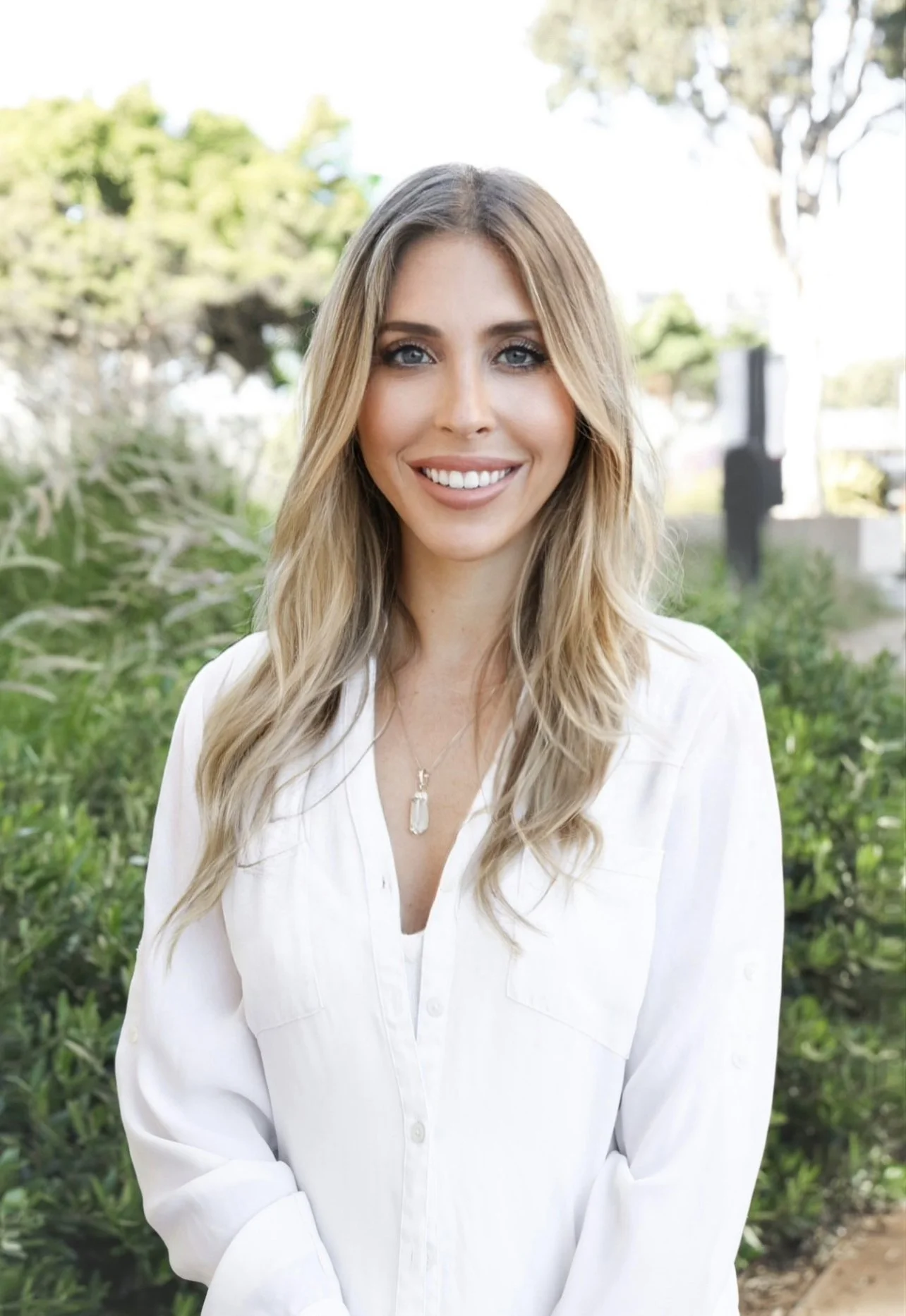
MEET YOUR THERAPIST
Lisa Kent, LCSW
CCTP-II · EMDR-C
I use mindfulness-based CBT to help you step back from painful thought patterns and respond rather than react. We practice skills you can use day to day, combining present-moment awareness with practical cognitive tools, and adapt them to your nervous system so mindfulness feels safe rather than overwhelming.
QUESTIONS, ANSWERED
Mindfulness-based CBT FAQs
-
No. Practices are usually short, from a minute to a few minutes, and can be woven into everyday life. We’ll find what works for you.
-
That can happen, especially if you’ve experienced trauma, because turning attention inward can feel uncomfortable at first. We use trauma-sensitive practices and keep them short, and you can always open your eyes or focus on something around you instead.
-
Traditional CBT focuses on changing thoughts. Mindfulness-based CBT also teaches you to change your relationship with thoughts, noticing them without getting caught up, which can be especially helpful for rumination and recurring depression.
-
Yes. Mindfulness-based cognitive therapy is recommended in clinical guidelines for preventing depression from returning, and mindfulness-based approaches have good research support for anxiety, stress, and chronic pain.
-
Mindfulness can ease the stress response, which may help with tension, sleep, and how intensely pain is felt. It works alongside medical care, not instead of it.
-
Usually short practices between sessions, agreed on together and adjusted to fit your life.
-
It’s a free, no-pressure 15-minute video call. We’ll talk briefly about what’s bringing you to therapy and what you’re hoping for, I’ll answer your questions about how I work, fees, and out-of-network reimbursement, and together we’ll decide whether we’re a good fit. You don’t need to prepare anything, and there’s no obligation to book.
-
Sessions are $200 per hour of work together. I am in-network with BCBS and BCN plans for Michigan residents. For New York and Florida residents, I partner with Mentaya to help you use your out-of-network benefits. Depending on your plan, up to 80% of your session cost can be reimbursed, and all of your claims are handled for you. You can check your benefits here (opens in a new window), or we can review them together during your free consultation.
HEALING THROUGH RECONNECTION
A calmer mind is possible.
Healing reaches every part of you: your mind, your body, your relationships, and your sense of meaning. You deserve care that sees all of it.
Telehealth for NY, FL, MI residents
Have a question before booking? Submit it here.
SUBSCRIBE FOR FREE INSIGHTS
Read more from Ouro House
Essays on survival stories, shame, and learning to stay present.