Trauma & PTSD Therapy
It's over. So why does your body still feel like it's happening?
One moment can change how safe the world feels. An accident. An assault. A medical crisis. A sudden loss. Something you saw that you can't unsee.
Afterward, you might replay it without meaning to. You avoid the places, sounds, or conversations that bring it back. You startle easily, sleep lightly, or feel like a different version of yourself.
This isn't weakness, and it isn't something you should be "over" by now. It's your nervous system still trying to protect you from something that has already passed.
Telehealth for NY, FL, MI residents
“Why can't I just move on?”
Because traumatic memories are stored differently than ordinary ones.
It might look like:
Flashbacks, nightmares, or intrusive images
Avoiding reminders, places, people, or even certain thoughts
Feeling on edge, jumpy, or unable to relax
Trouble sleeping or concentrating
Numbness, or feeling far away from your own life
Guilt, shame, or replaying what you "should" have done
These are signs of a mind and body that did their best to survive. And they can heal.
If these patterns go back further than one event, you may be living with complex trauma (C-PTSD).

UNDERSTANDING TRAUMA & PTSD
Your brain never got the chance to file it away.
During an overwhelming event, the brain's survival systems take over. The experience gets stored in fragments (sensations, images, emotions) instead of as a story with a beginning, middle, and end. That's why a smell, a sound, or a sensation can pull you right back in, as if it's happening now.
Not everyone who goes through something frightening develops PTSD, and how strongly it affects you says nothing about your strength. It reflects what your nervous system had to do in that moment.
Healing means helping the memory finish processing, so your body can recognize that you made it through.
Telehealth for NY, FL, MI residents
HOW WE'LL WORK TOGETHER
Stability first. Then processing. Then moving forward.
Trauma therapy isn't about diving into the hardest moment right away. We follow a phased, holistic approach, paced to what your system can hold.
PHASE 1
Safety & Stability
We build grounding and regulation skills, so you have tools for triggers, sleep, and hard moments from the very start.
PHASE 2
Processing the Memory
When you're ready, using approaches like EMDR therapy and somatic therapy, we help the memory lose its emotional charge while you stay anchored in the present.
PHASE 3
Moving Forward
We help you reclaim the places, activities, and parts of life the trauma took from you, and make sense of how this experience fits into your story.
Approaches that may help: EMDR Therapy · Somatic Therapy · Cognitive Processing Therapy (CPT) · Internal Family Systems (IFS)
Sometimes a single event stirs up older wounds. Not sure whether this is one event or something longer-standing? Learn about complex trauma →
Telehealth for NY, FL, MI residents
AN INTEGRATIVE APPROACH
Whole-person care, every step of the way.
One method may guide our work, but it’s never the only one. Your past lives in your mind, body, and relationships. I combine evidence-based and mind-body approaches to help you work through the past and move forward with more support, clarity and confidence.
WHAT A SESSION FEELS LIKE
You stay in control the entire time.
Sessions take place by secure telehealth, from a space where you feel comfortable. Early on, we focus on what's happening now and the tools that help you feel steadier. When we work with the memory, you don't need to describe every detail out loud (here's how EMDR works). We move in small, manageable pieces, pause whenever you need, and always close in a place of grounding.
You don't have to relive it to heal from it.

WHAT CHANGES AS THE WORK UNFOLDS
The memory stays. Its grip on you doesn't.
Remembering what happened without being pulled back into it
Fewer flashbacks, nightmares, and sudden reactions
Sleeping more deeply and feeling less on edge
Returning to places, people, and activities you'd been avoiding
Less guilt and self-blame, more understanding for yourself
Feeling like yourself again, sometimes with a new sense of strength
Telehealth for NY, FL, MI residents

MEET YOUR THERAPIST
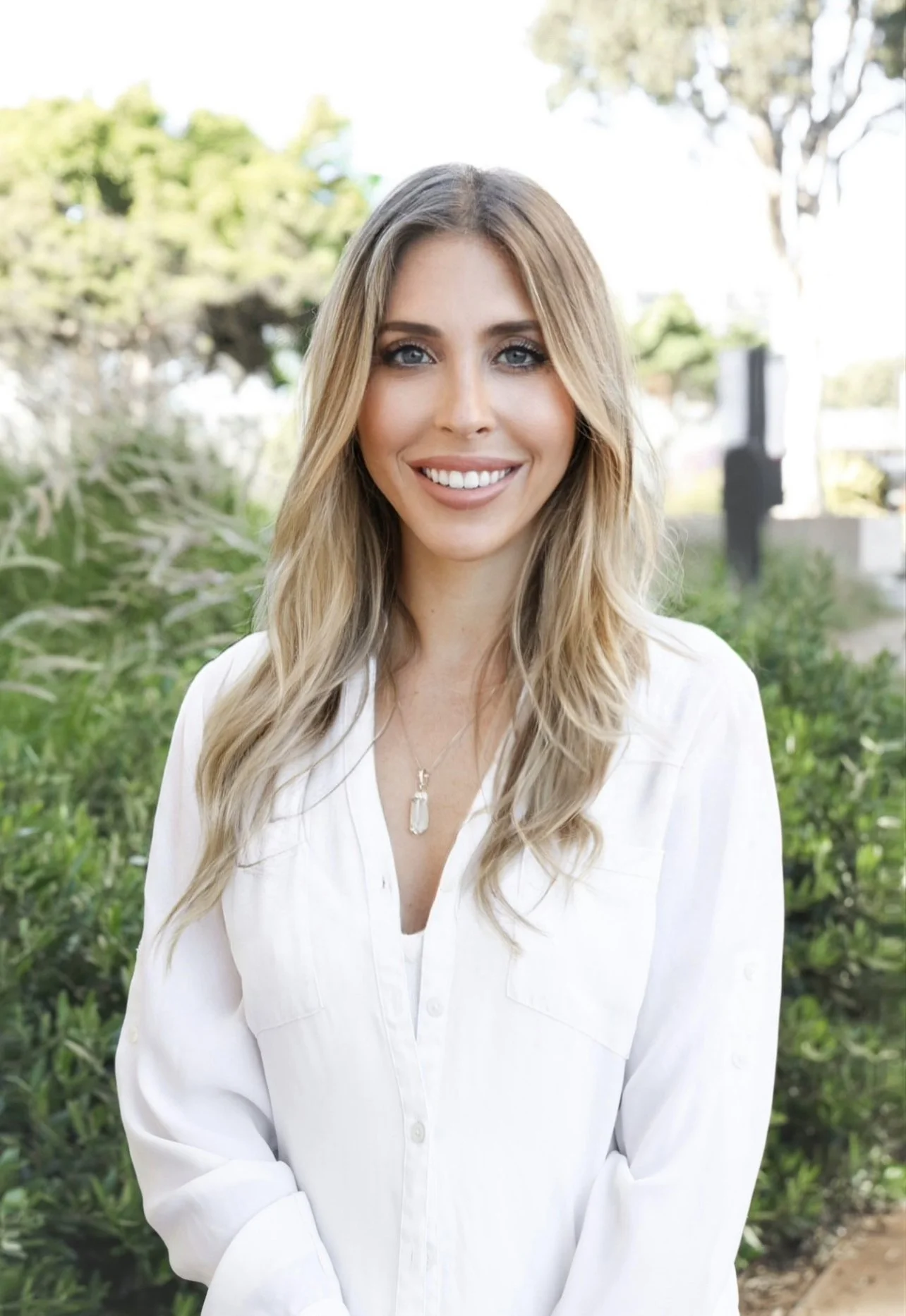
Lisa Kent, LCSW
CCTP-II · EMDR-C
I specialize in trauma and the ways it continues to live in the body. Before we approach painful memories, we make sure you have tools to stay grounded and in control. From there, approaches like EMDR and somatic therapy help your brain and body register the experience as past, so it stops feeling like it is happening now.
QUESTIONS, ANSWERED
Trauma & PTSD therapy FAQs
-
It’s common to feel shaken for days or weeks after a traumatic event. If symptoms last longer than a month, or get in the way of daily life, it’s worth reaching out. You don’t need a diagnosis to deserve support.
-
PTSD often follows a single traumatic event. Complex PTSD develops from repeated or ongoing trauma, usually where escape felt impossible, and tends to affect self-worth, emotional regulation, and relationships. Our Complex Trauma page explains more.
-
There’s no threshold for trauma. If it overwhelmed your ability to cope, it counts.
-
It’s never too late. Many people begin healing years or even decades later.
-
EMDR helps your brain reprocess a memory directly, so it loses its emotional charge, without long retellings.
-
It’s a free, no-pressure 15-minute video call. We’ll talk briefly about what’s bringing you to therapy and what you’re hoping for, I’ll answer your questions about how I work, fees, and out-of-network reimbursement, and together we’ll decide whether we’re a good fit. You don’t need to prepare anything, and there’s no obligation to book.
-
Sessions are $200 per hour of work together. I am in-network with BCBS and BCN plans for Michigan residents. For New York and Florida residents, I partner with Mentaya to help you use your out-of-network benefits. Depending on your plan, up to 80% of your session cost can be reimbursed, and all of your claims are handled for you. You can check your benefits here (opens in a new window), or we can review them together during your free consultation.
HEALING THROUGH RECONNECTION
You survived it. Now you deserve to feel safe living.
Trauma can leave you feeling cut off from your body, from others, and from the world you once trusted. Healing restores those connections, reaching every part of you: your mind, your body, your relationships, and your sense of meaning. What happened is part of your story. It doesn't have to be the whole story.
Telehealth for NY, FL, MI residents
Have a question before booking? Submit it here.
SUBSCRIBE FOR FREE INSIGHTS
Read more from Ouro House
Essays on how trauma lives in the nervous system, and what helps it heal.